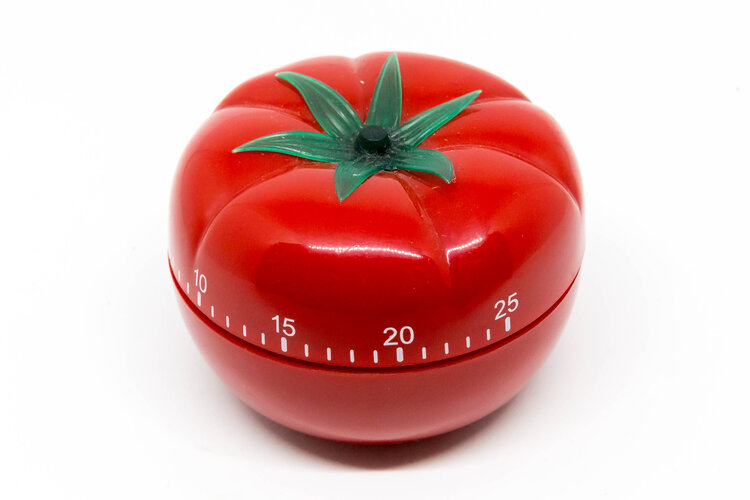
Productivity is often the golden ticket we chase in our daily lives. Yet, in the sea of endless notifications, emails, and meetings, it sometimes seems elusive. Now imagine a method that not only makes productivity achievable but also enjoyable.
Let me introduce you to the Pomodoro Technique—a timeless time management strategy that is as simple as it is effective.

Image Source: https://www.teamimprovus.net/pomodoro-technique
Whether you are a busy entrepreneur, a student buried with coursework, or a freelancer juggling multiple projects, this technique can become a secret weapon.
However, just knowing the basics is more than enough. Let us look at how this plain technique, inspired by a tomato-shaped kitchen timer, can bring magic to your workday.
Pomodoro
It’s named the Pomodoro Technique because “pomodoro” translates to tomato in Italian, but the developer, Francesco Cirillo, used a tomato-shaped timer to break work into intervals, and it since then has been synonymous with the fruit.
At its core, however, the Pomodoro Technique is not at all about tomatoes—it is about time. It is about owning your day in a feasible and motivating manner.
There is a basic structure here:
- Work for 25 minutes (one Pomodoro).
- Take a 5-minute break.
- After completing four Pomodoros, reward yourself with a more extended break (15-30 minutes).
What sets the Pomodoro Technique apart is its psychological simplicity. You’re not committing to hours of gruelling work; you’re dedicating just 25 minutes. This micro-commitment makes daunting tasks feel manageable.
The Science Behind the Pomodoro Technique
So, what could make a cross-generational, cross-sector and cross-industrial approach like the Pomodoro Technique so appealing to masses of people? Science does. Here are the important principles in action:

Image Source: https://app.napkin.ai/
- Connection to Attention Span: Studies suggest that the average adult’s attention span lasts about 20–30 minutes. Beyond this, focus wanes, and tasks take longer to complete. By capping work sessions at 25 minutes, the Pomodoro Technique ensures you’re working within your natural limits.
- The Power of Deadlines: A ticking timer provides a psychological impetus that creates a need for urgency. This is popularly known as the “Parkinson’s Law”: work expands to fill up the time available to execute it. A 25-minute timer reduces the available time and makes one efficient.
- The Reward Mechanism: The dopamine rush is when you finish a Pomodoro and take a break. This feel-good hormone reinforces the productive behaviour, making you more likely to repeat it.
- Reduces Stress: Breaking down large tasks into small, actionable intervals, the Pomodoro Technique eliminates the overwhelming feeling that often accompanies big projects. You focus on the next 25 minutes, not the entire mountain of work.
- Cognitive Reset: The breaks between Pomodoros are like the reset button in your brain. They prevent mental fatigue and keep you fresh for the next session, thereby raising productivity levels.
How to Implement the Pomodoro Method
You don’t need fancy gadgets or software to use the Pomodoro Technique. A timer, a pen, and a piece of paper would be enough. Here are the steps that you would be following in order to seamlessly integrate it into your workflow:

Image Source: https://app.napkin.ai/
- Define Your Task: Know first what you want to end with. Be specific: “Write the introduction for the blog” is better than “Work on the blog.” With precise tasks, breaking down what should be done will be simpler.
- Set Your Timer: Decide which timer you have ready—the old-school kitchen one, the one on your smartphone, or perhaps an application, and set it to 25 minutes.
- Work Intensely: Dedicate time for that task during the Pomodoro. No distractions. No multitasking. Should your mind wander off, then gently bring it back on track.
- 5 Minute Break: Get up at the start of the interval and step away. Stretch, go grab a drink, do whatever that will refresh you. Do not get involved in things which will take longer than five minutes, such as surfing social media.
- Repeat Cycle: After four Pomodoros, take an extended break of 15–30 minutes. This longer pause will help your brain recover and prepare you for the next round of work.
By starting small and building consistency, you will soon find that the Pomodoro Technique is second nature.
How to Make Sure That Pomodoro is Helping You
Not all productivity tools are equal, and what works for one may not work for another. Here are some suggestions to make sure that the Pomodoro Technique is really making a difference:
- Check Your Results: Track the number of Pomodoros that you complete each day. Is this more than usual? Is this getting done faster than expected? These are indications that your technique is working.
- Dial it in by Task Type: While 25 minutes is ideal for emails or admin work, creative or analytical tasks may need longer intervals. Adapt your Pomodoros to the nature of your work.
- Use Breaks Wisely: Breaks are not just about stepping away from your work; they are about recharging. Use them to move your body, clear your mind, or even practice mindfulness. That way, you will come back to work refreshed.
- Kill Distractions: A Pomodoro relies on unbroken concentration to work. Turn off notifications, close the door, and inform others you are in a concentrated session.
- Review and Adjust: At the end of the day, reflect on what worked and what didn’t. Were there interruptions? Did you underestimate or overestimate the time needed for a task? Refining your approach will make the technique even more effective.
Tailor the Pomodoro Technique for Maximum Benefit
This technique is so flexible; its strength lies in customisation in terms of personality, amount of work, or even mood.

Image Source: https://app.napkin.ai/
- Try Different Duration Timings: A Pomodoro does not have to be 25 minutes. Work may be better at the 40-minute level. Some will work out if you use 15-minute intervals. Find the most effective length that does not overload your focus but instead keeps you engaged.
- Combine Similar Tasks: Group related tasks into one Pomodoro. For example, have a session replying to emails and another one organising the calendar. This cuts down the mental switching cost.
- Add Technology: Some apps, such as Tomato Timer and Forest, can really help make the Pomodoro experience smoother. Many also include analytics for tracking over time.
- Add a Reward System: Add an extra layer of motivation by rewarding yourself after completing a set number of Pomodoros. It could be a treat, a quick game, or simply a moment of relaxation.
- Thematic Days: Assign themes to your days and pair them with Pomodoros. For instance, Monday could focus on creative tasks, while Tuesday might be dedicated to administrative work.
Pomodoro Technique and Interruptions
The interruptions are the nemesis of productivity, and no amount of time management system can stop them. The silver lining? The Pomodoro Technique makes you ready to deal with those interruptions.

Image Source: https://app.napkin.ai/
- Communicate Boundaries: Let your colleagues, family, or team know that you are working in focused intervals. A simple “Do Not Disturb” sign or a quick explanation goes a long way.
- Capture Distractions: Have a notebook or an app on standby to write distracting thoughts or tasks. In this way, you’ll handle them later and won’t break your flow.
- Reschedule Your Pomodoros: You can reschedule if interrupted while a session is still going. Stop the timer and proceed further. Don’t get demotivated, but adapt your methodology.
- Buffer Zone: Schedule time for interruptions. Use this “buffer” to answer emails, return calls, or deal with unexpected tasks.
- Leverage Technology: Use apps that block distracting websites and notifications during your Pomodoro sessions. Tools like Freedom or StayFocusd will keep your attention where it should be.
Who Should Use the Pomodoro Method?
The Pomodoro Technique is versatile, but its effectiveness is especially for:
- Students: Tired of running revision marathons? Pomodoros break down study sessions into manageable bits.
- Freelancers: Need discipline while working solo? This technique offers structure.
- Creative Professionals: People in the creative field, such as writers, artists or designers, can use it to gain inspiration without burnout.
- Overwhelmed Individuals: Too much for the to-do list? Break it down with Pomodoro.

Image Source: https://app.napkin.ai/
The Pomodoro Technique is not only a time management tool but a way of life as well. It teaches you to value focus, embrace breaks, and work smarter, not harder.
By understanding its principles, customising it to your needs, and remaining consistent, you can unlock productivity levels you never thought possible.
Grab a timer, select a task you want to perform, and watch how one tomato at a time can transform the way you work.